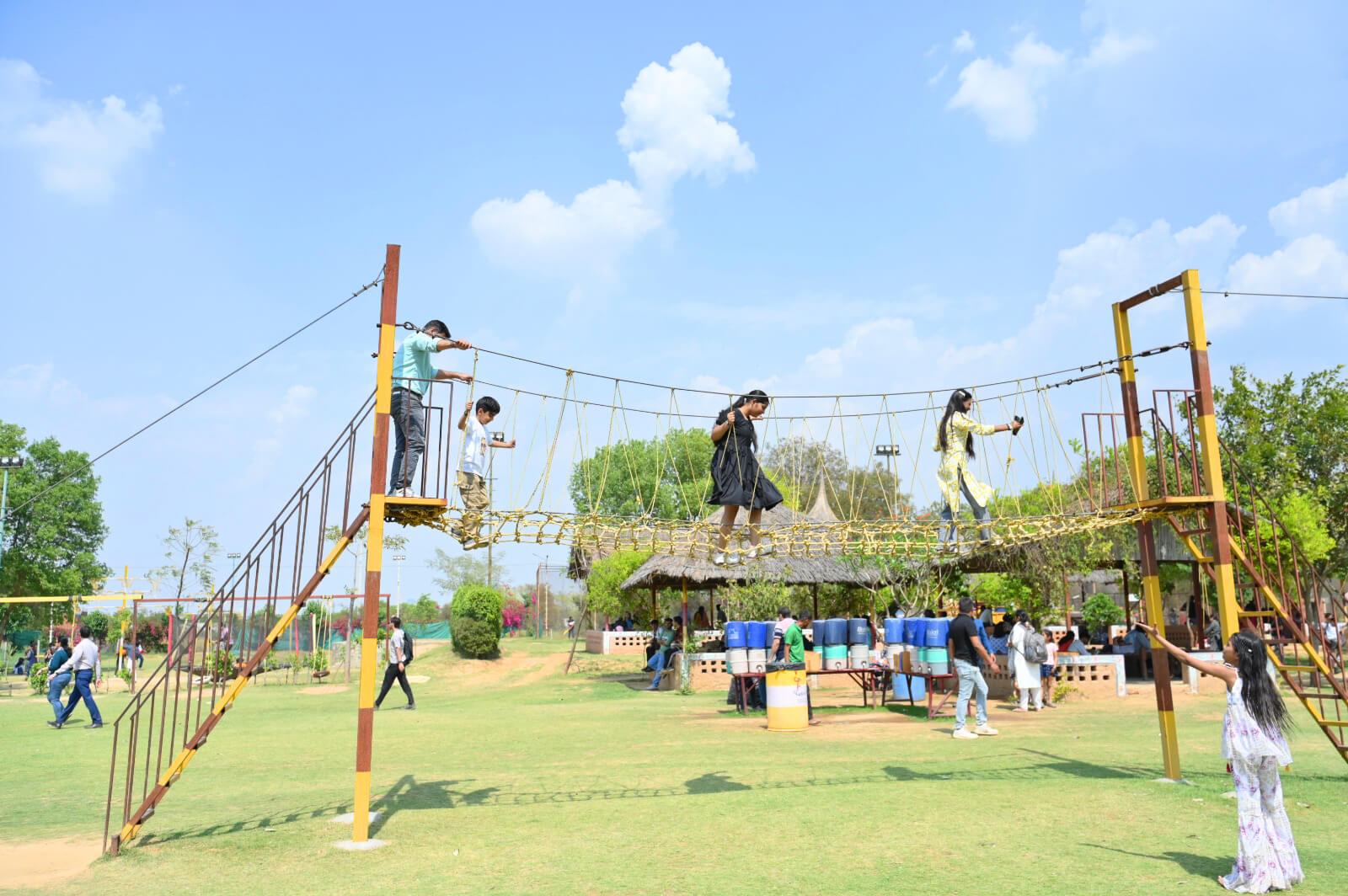
Nature & lake-learning day
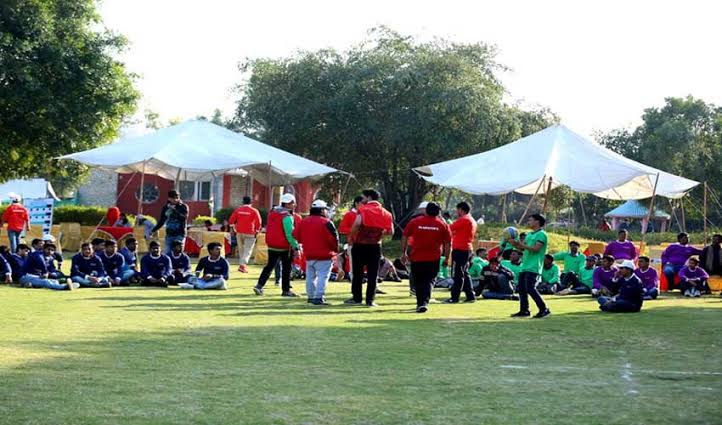
A guided nature walk, birdwatching, a lakeside ecosystem session and lawn games, with the venue providing meals and space.
- Suits primary to middle classes
- Pairs with classroom projects
- Ask for a naturalist or guide
A teacher-first planning guide for a one-day school trip from Delhi or Gurgaon—what students actually learn, indicative per-student costs, age-group fit, and the safety and consent arrangements that make a picnic worry-free for the school.


Yes—Damdama Lake works well as a school picnic and educational trip near Delhi when you book a managed venue 2–4+ weeks ahead, keep a sensible student-to-teacher ratio, confirm life jackets and supervision in writing, and turn the lake itself—birds, wetlands, the Aravallis—into the lesson.
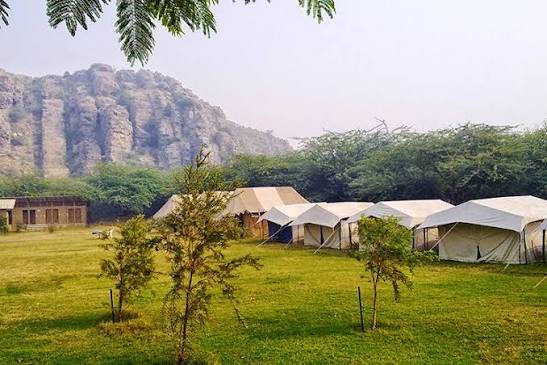
Damdama Lake Resort is a natural lake at the edge of the Aravallis with private camps and resorts on its shores—not a gated school-experience park. A trip succeeds when the venue can seat, feed and safely supervise your headcount, and when the day is built around what the place genuinely teaches: water, wetlands, birds and open landscape. Lock the venue and the safety details first; the fun follows.
The right format depends on your students' ages, your learning goal and how much coordination your staff can take on.

A guided nature walk, birdwatching, a lakeside ecosystem session and lawn games, with the venue providing meals and space.

A fixed per-student package bundles meals, facilitators, activity stations and group games in one supervised venue.

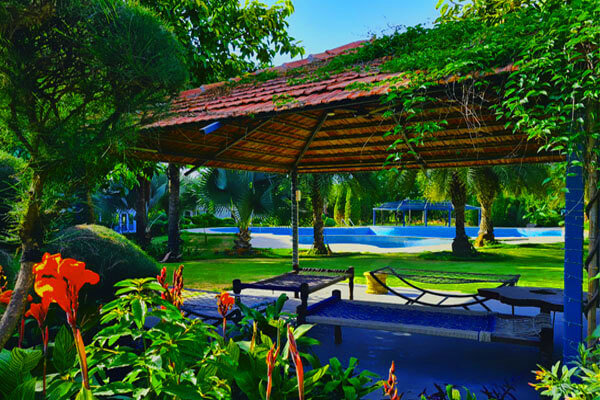
Resort lawns, pools or indoor space plus meals—suited to smaller batches, farewell trips and award days.
This template assumes a Delhi departure around 7:30 am and a return to school by about 4:30–5 pm. Gurgaon schools can shift everything 45–60 minutes later.
Bus-wise attendance, consent and medical forms on board, motion-sickness and allergy cases flagged to each bus teacher before the wheels move.
Welcome, washroom break, bag drop and a second headcount. Reconfirm meal times, activity slots and supervisor names with the venue manager.
The learning core of the day: the lake as a wetland ecosystem, the Aravalli backdrop, water levels and the birds that depend on the water. Small groups rotate with a guide or worksheet.
Facilitated stations—group games, rope or adventure elements where age-appropriate, bird-spotting or sketching corners—keep every child engaged without long queues.
A pre-confirmed buffet or packed meal with staggered seating. Follow with 30 quiet minutes in shade—children pace themselves better in the afternoon.
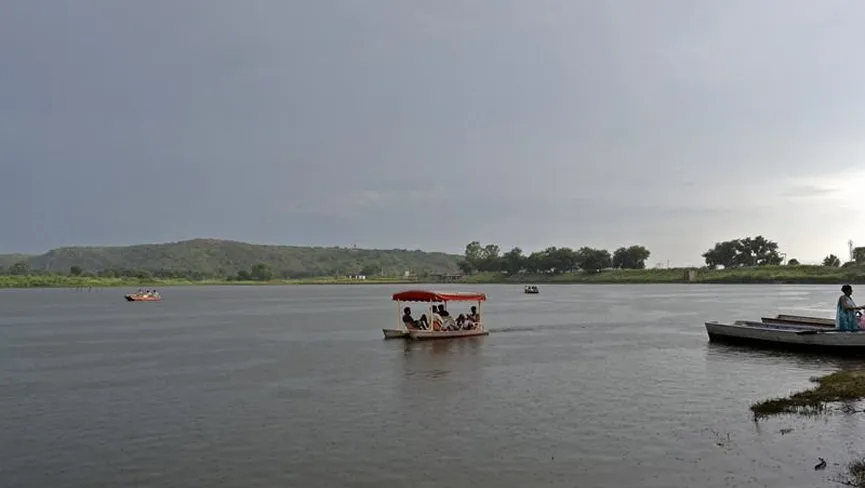
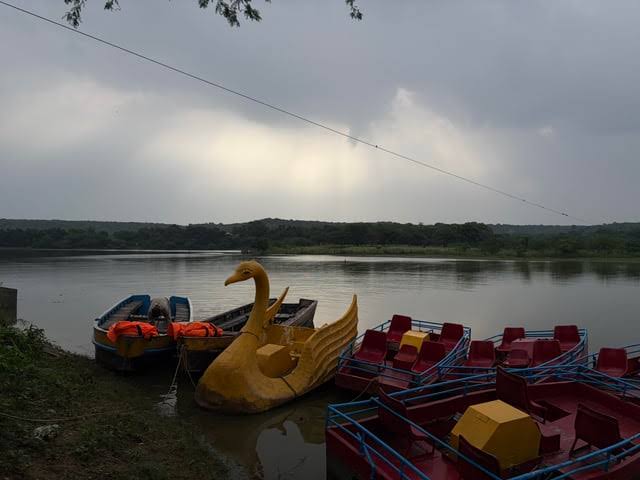
Boating only if life jackets, operator and weather are all confirmed, in small supervised turns. Others: lawn games, photo corner or the post-visit quiz you prepared.
A 10-minute wrap-up (what did we learn?), prize distribution and a third headcount before boarding—count at the venue, not on the bus.
Leaving by 4 pm keeps the return in daylight and delivers children back within the school day. Message parents the expected arrival time from the road.
The lake is a living classroom. Tie the visit to your syllabus before you go, and give students a small task to complete on site—learning sticks when children look for answers themselves.
How a lake supports fish, insects, plants and birds; why water levels rise and fall; what happens when a lake silts up or dries. Links to geography and environmental-science chapters on water resources.
Resident and migratory birds around the lake—herons, cormorants, kingfishers and winter visitors. A simple 30-minute bird count with a printed checklist becomes a genuine field survey.
One of the world's oldest mountain ranges frames the lake. Discuss weathering, rocky terrain, native trees and why the hills matter for the region's groundwater.
Lakes in Haryana anchor farming and fishing livelihoods. A conversation on saving water, catchments and community stewardship turns the bus ride home into a discussion.
Select class level, group size, the day's focus and budget band. The planner suggests a trip style and the confirmations to prioritise—not a booking, quotation or live availability result.
A school trip lands well when every child has at least one comfortable highlight—and no child is pushed into an activity that frightens or excludes them.
Planning ranges only—venues quote differently by headcount, day of week, season and package depth. Schools commonly negotiate below standard rates for large weekday groups.
| Cost line | One class (up to 40) | Grade batch (40–100) | Whole school (100–250+) |
|---|---|---|---|
| Bus transport (per student) | ₹150–300 | ₹100–200 | ₹70–150 |
| Day package (meals + activities)* | ₹1,150–2,500 | ₹1,100–2,200 | ₹1,000–1,800 |
| Worksheets, prizes, extras | ₹30–100 | ₹30–100 | ₹20–80 |
| Estimated per-student total | ₹1,330–2,900 | ₹1,230–2,500 | ₹1,090–2,030 |
Tap items as you handle them. Your choices stay only on this page and reset when it is refreshed.
The final approach differs by camp or resort. Use the specific property's pin for your booking and share it with every bus driver.
The map stays paused until requested, keeping the page fast and reducing data use.
Clear answers for teachers and school organisers planning a one-day trip from Delhi or Gurgaon to Damdama Lake.
Yes. Damdama Lake's open lakeside setting, birds, Aravalli backdrop and private camps about 50–60 km from Delhi make it a practical one-day school trip. The experience depends on the venue you book, the student-to-teacher ratio you maintain and the safety and consent arrangements you confirm in writing.
It is roughly 50–60 km from central Delhi and about 20–30 km from central Gurgaon. Plan for 1.5–2.5 hours each way from Delhi schools and 45–75 minutes from Gurgaon, depending on the exact venue, departure time and traffic.
Managed camp and resort day packages are commonly advertised at ₹1,150–2,500 per person, and schools frequently negotiate a lower per-student rate for large groups and off-peak weekdays. There is no official tariff—treat every figure as indicative and get the student rate, free-teacher policy and taxes in writing.
The lake supports a live lesson in freshwater and wetland ecosystems, migratory and resident birds, the Aravalli landscape, water conservation and nearby rural livelihoods. Many teachers pair the visit with a pre-trip classroom session and a post-trip project such as a bird count, sketch journal or water-awareness poster.
October to February offers the most comfortable weather, the best birdwatching and the lowest heat risk. Avoid peak summer afternoons, and treat monsoon dates as weather-dependent with a firm indoor or reschedule backup.
Private camps and resorts in the area commonly host groups from roughly 30 to 200+ students, but capacity for seating, meals, toilets and activity stations varies by property. Confirm your exact headcount—including teachers and support staff—before paying any advance.
Collect signed parent consent and medical forms, carry a stocked first-aid kit and student medical/allergy list, fix a bus-wise headcount protocol, keep a student-to-teacher ratio appropriate to the age group, and confirm life jackets, trained operators and activity supervision with the venue in writing.
Primary classes do best with short nature walks, storytelling, lawn games and shallow-water observation from a safe distance. Middle and senior students handle facilitated adventure stations, birdwatching worksheets and ecosystem activities better. Participation in adventure activities should stay voluntary with age or weight limits respected.
Boating can be included when water and weather allow, but schools should treat it as optional and strictly supervised: fitted life jackets for every student and adult, a trained boat operator, limited occupancy and no boating in wind, rain or high water. If any of these cannot be confirmed, skip it.
A filled water bottle, cap, sunscreen, closed walking shoes, a light snack, any personal medication declared to the teacher, and a school ID card. Avoid valuables, and remind students that the lakeside is a natural area—everything carried in should be carried back out.
Ratios depend on age and school policy, but organizers commonly work with about one adult per 15–20 younger children and one per 20–25 seniors, plus a school nurse or first-aider for larger groups. Confirm your school's own policy first, then state the ratio in the venue booking.
Two to four weeks ahead is sensible for a single class or grade batch, and four to six weeks or more for whole-school groups, weekend-adjacent dates or the popular October–February window. Late bookings risk losing the venue, negotiated rates or the activities you promised parents.
Confirm the per-student rate, free-teacher count, headcount terms, life jackets and supervision, first-aid cover and rain backup—not just the headline price.
Ask on WhatsApp